Your Clear Vision Journey Starts Here
Before Your Cataract Surgery, Know What Is Right for Your Eyes.
Blurred vision? Difficulty reading? Trouble seeing clearly at night?
Discover your cataract treatment options, understand different lens choices and consult an ophthalmologist about your vision.
Personalized Eye Evaluation | Phacoemulsification | Intraocular Lens Options.
All treatment recommendations are based on individual medical evaluation.
Is Your Vision Changing Without You Realising It?
Vision changes can happen gradually. Sometimes, people adjust their
daily routines without realising that their eyesight needs attention.
Have you noticed:
• Difficulty reading newspapers or books?
• Blurred distant vision?
• Glare from headlights at night?
• Colours appearing faded?
• Difficulty recognising familiar faces?
• Frequent changes in spectacle power?
These symptoms may be associated with cataracts or other eye conditions.
UNDERSTAND YOUR CATARACT SURGERY
Don't guess the reason. Get your eyes examined
What Is Cataract?
Cataracts are commonly associated with ageing, but diabetes, previous eye injuries, certain medications and other factors may also contribute.
Not every cataract requires immediate surgery.
Your ophthalmologist will evaluate your condition and advise when treatment may be appropriate.

CATARACT EYE vs. NORMAL EYE


What Is Phacoemulsification?
Phacoemulsification is a modern cataract surgery technique that uses ultrasound energy to break up and remove the cloudy natural lens.
The process generally involves:
- A small incision is made in the eye.
- Ultrasound energy is used to break up the cloudy lens.
- The lens fragments are removed.
- An artificial Intraocular Lens (IOL) is implanted when appropriate.
approach based on your eye condition.
Why Choose Aurelia Eye Care?
We focus on surgical infrastructure, technology, environmental monitoring and patient care.
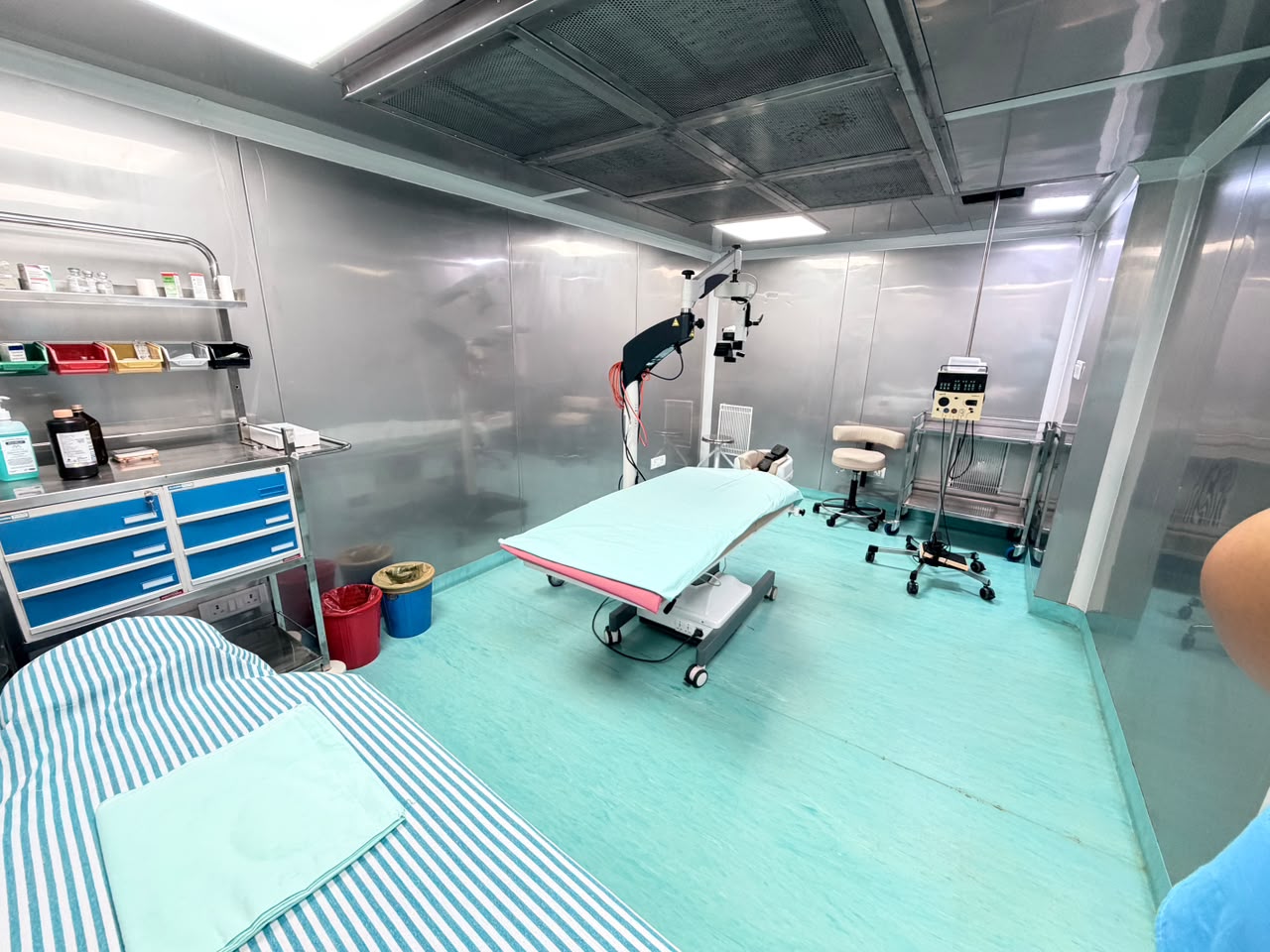
01. HEPA Air Filtration System
A filtration system designed to remove airborne particles from the operation theatre environment.
02. Positive-Pressure Modular Operation Theatre
A controlled pressure environment designed to help minimize the entry of unfiltered external air.
03. Phacoemulsification Cataract Surgery
A cataract removal technique using ultrasound energy to break up and remove the cloudy natural lens.
04. Regular Air Quality Testing
Regular monitoring of the operation theatre's air quality.
05. Microbiological Monitoring
Routine monitoring of the operation theatre environment for microbial contamination.
06. Individualized Lens Selection
Different lens options are discussed based on eye measurements, visual needs and clinical suitability.
We emphasize technology, cleanliness and patient care throughout the treatment journey.
Know Your Lens
Which IOL Is Right for You?
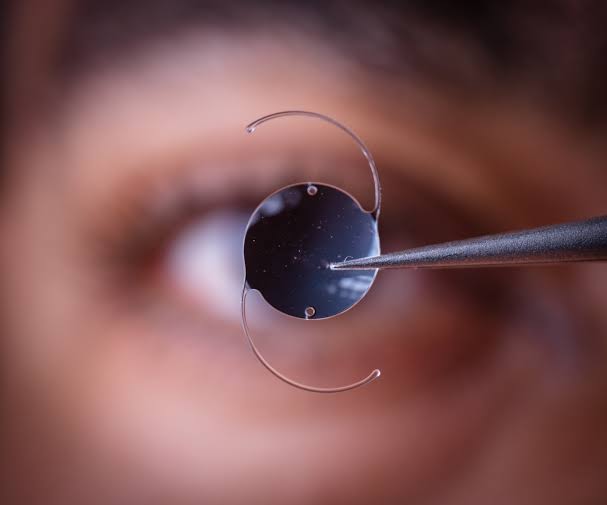
Choosing the Right Intraocular Lens
GET YOUR APPOINTMENT TODAYMonofocal Lens
Designed to provide clear vision at one primary distance.
Multifocal Lens
Designed to provide vision at multiple distances and potentially reduce dependence on glasses for some activities.
Toric Lens
Designed to correct corneal astigmatism in suitable patients.
Which lens is right for you?
Your eye measurements, corneal condition, retinal health, lifestyle and visual expectations should all be considered.
Your ophthalmologist will help determine the most appropriate lens option for your eyes.
What Determines Your Lens Selection?
• Corneal measurements.
• Retinal health.
• Eye condition.
• Lifestyle and occupation.
• Visual expectations.
• Budget and clinical suitability.
Don't select a lens based only on price or someone else's experience.
Your Treatment Journey at Aurelia Eye Care
Step 1 – Appointment Request
Share your contact details and preferred consultation time.
Step 2 – Ophthalmologist Consultation
Your doctor evaluates your vision and eye condition.
Step 3 – Preoperative Evaluation
Necessary eye examinations, retinal assessment and IOL biometry are performed as indicated.
Step 4 – Personalized Treatment Planning
Your doctor discusses the suitable surgical approach and lens options.
Step 5 – Cataract Surgery
Surgery is performed according to your doctor's recommendation and clinical assessment.
Step 6 – Postoperative Follow-up
Follow-up examinations and postoperative instructions help monitor your recovery.
FREQUENTLY ASKED QUESTIONS
1. Does every cataract require surgery immediately?
No. The timing depends on how the cataract affects your vision, daily activities and overall eye health.
2. Is phacoemulsification suitable for everyone?
It is a commonly used cataract surgery technique, but the appropriate procedure depends on individual clinical findings.
3. Which IOL lens is best?
There is no universally best lens. The selection depends on your eye condition, visual needs and doctor's recommendation.
4. Can diabetic patients undergo cataract surgery?
Many diabetic patients can undergo cataract surgery. Blood sugar control and retinal evaluation are important parts of assessment.
5. Is cataract surgery painful?
The procedure is generally performed with appropriate anesthesia. Your doctor will explain the anesthesia and what to expect.
6. How long does recovery take?
Recovery varies between patients. Your doctor will explain the expected recovery and follow-up schedule.
7. Why is the operation theatre environment important?
Air filtration, positive pressure and environmental monitoring are important components of operation theatre infection-control practices.
8.What is the cost of cataract surgery at Aurelia?
The cost depends on the type of surgery, intraocular lens (IOL) selected and the patient's eye condition. Please contact our team for the latest package details.
9.What is included in the cataract surgery package?
Depending on the selected package, it may include:
Surgeon and surgical team charges.
Operation theatre charges.
Intraocular lens (IOL).
Pre-operative investigations.
Basic post-operative care.
Please confirm the exact inclusions with our reception team.
10.Do you provide different cataract surgery packages?
Package options may vary according to the lens type and surgical requirements. Please contact Aurelia Eye Care for available options.
BOOK YOUR APPOINTMENT TODAY
OUR EYE SPECIALISTS
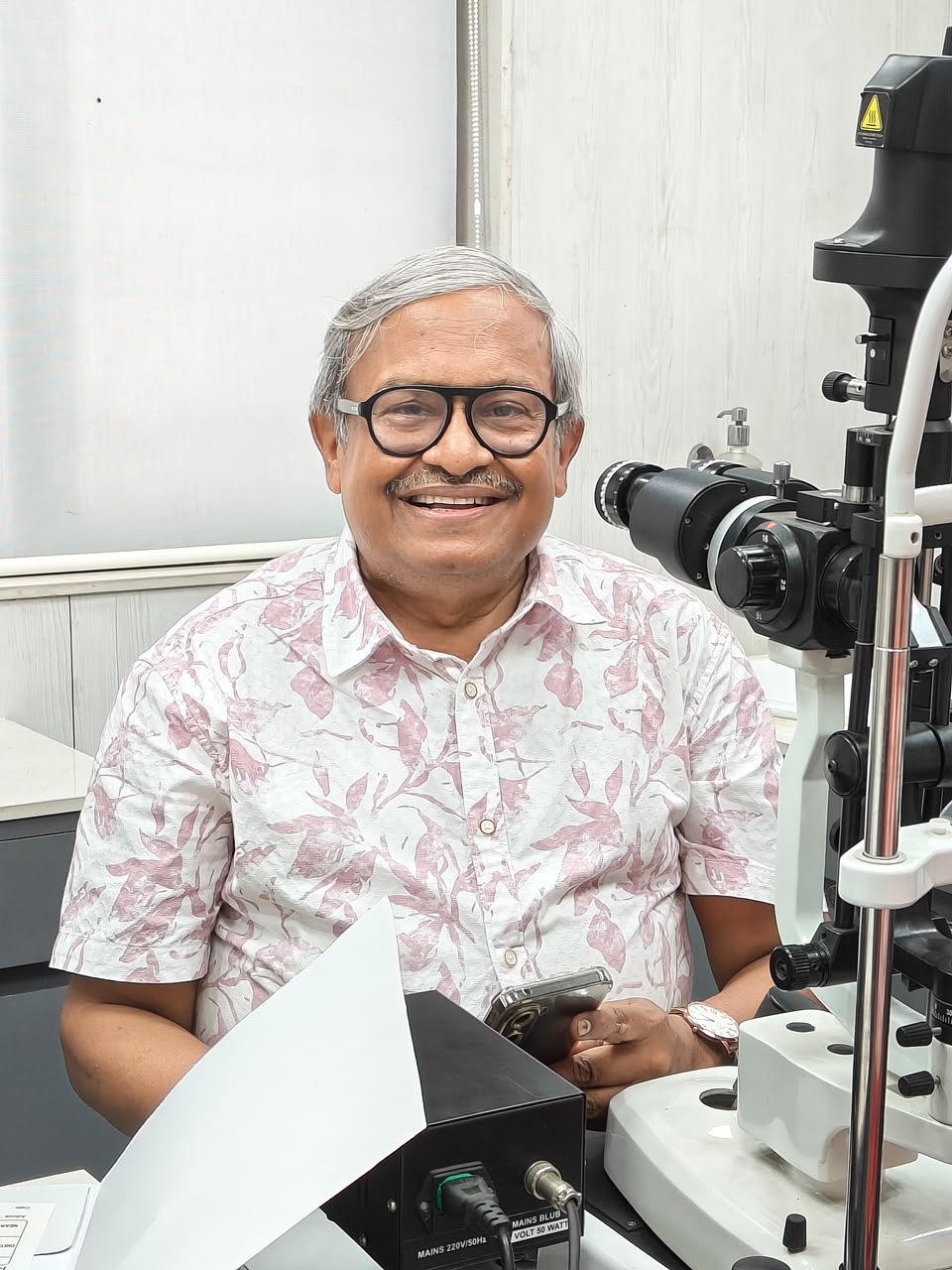
DR. ASIM KUMAR GHOSH
MBBS, DO, MS
OPD TIMING : SATURDAY 4 PM - 6 PM

DR. SAMBUDDHA KUNDU
MBBS, DO, MS
OPD TIMING : MONDAY 11 AM - 1 PM

DR. KALISHANKAR DAS
MBBS, MS
OPD TIMING : FRIDAY 4 PM - 6 PM



Your Vision Is Important. Your Decision Should Be Informed
At Aurelia Eye Care, we believe cataract care begins with understanding the patient's eyes, discussing suitable treatment options and providing attentive care throughout the treatment journey.
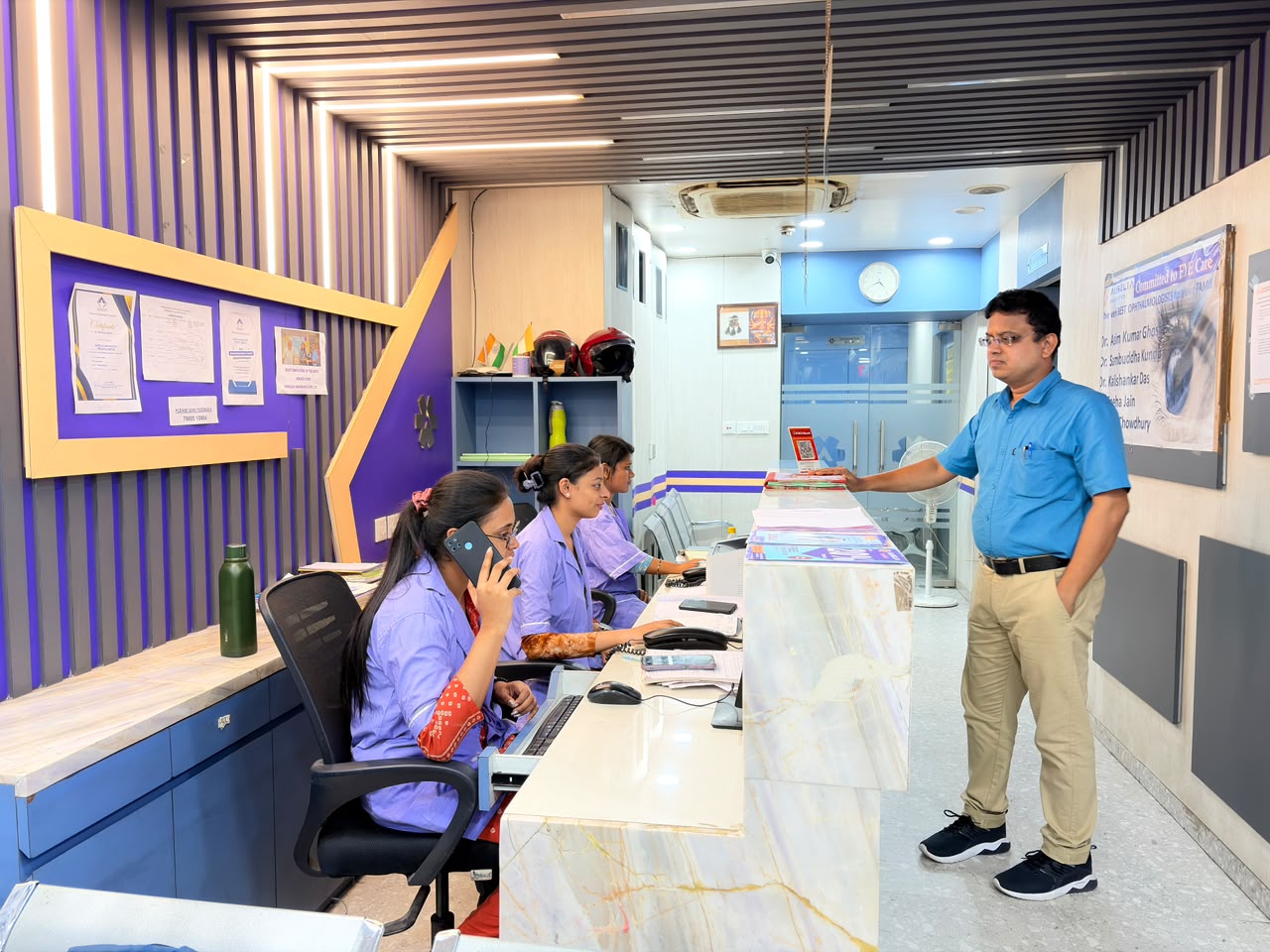
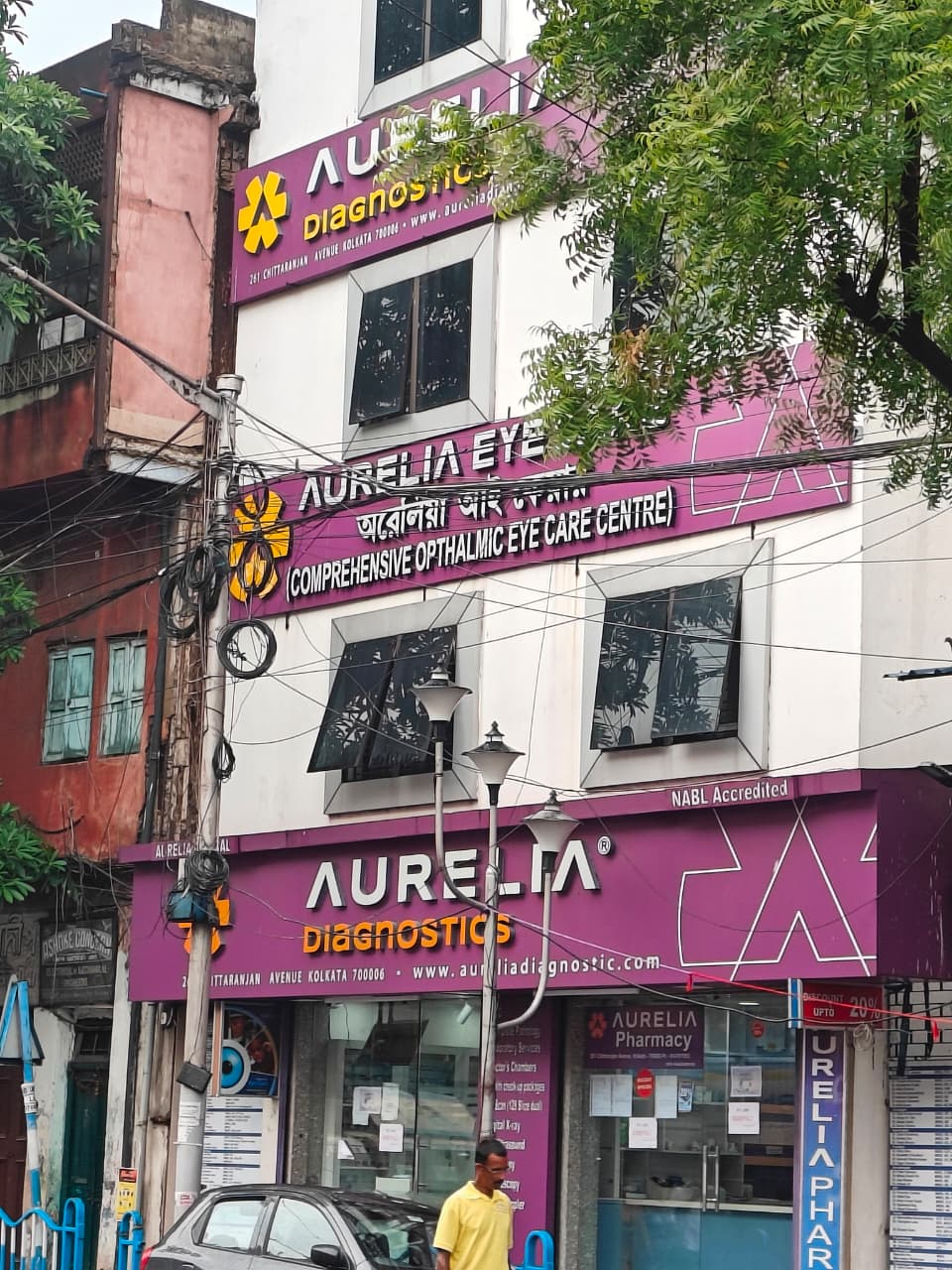
THANK YOU FOR CHOOSING AURELIA EYE CARE

Address : 261, Chittaranjan Avenue, Kolkata - 700006 (Near Girish Park Metro)
Contact Us : +91 91470 11951 / +91 89104 60652
Email ID: aureliadiagnostic01@gmail.com
Website: www.aureliadiagnostic.in